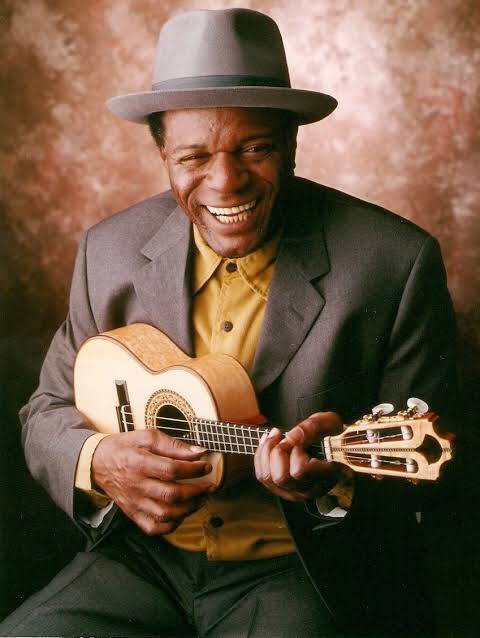
"Conselho" is a 1986 samba written by Adilson Bispo and Zé Roberto, immortalized by Almir Guineto. It has recently exploded among foreigners in Rio as the soundtrack to the "Brazil Core" aesthetic — and it's the single best samba to learn if you want to understand Brazilian resilience, humor, and the samba spirit in one song.
You've Probably Heard It Without Knowing
If you've spent any time in Rio de Janeiro recently — or watched videos of foreigners discovering the city — you've heard this song. The opening line alone, "Deixe de lado esse baixo astral" ("Leave that bad vibe aside"), has become a kind of password for a new generation of visitors.
The song is "Conselho" (meaning "Advice"), and it's one of those rare Brazilian classics that every carioca knows by heart. According to O Globo, it has become the mandatory soundtrack for a wave of videos by foreigners in Rio, who translate the lyrics into multiple languages as a symbol of what's now called "Brazil Core" — an aesthetic that romanticizes flip-flops, cold beer, beach football, and botecos .
But here's what makes it special: this isn't a new song. It was written in 1986.
What the Song Is About (And Why It Resonates)
The Story
"Conselho" is exactly what the title says: a piece of advice. The singer is speaking to someone who's been hurt — probably in love, probably deeply. Someone who's been dedicating themselves to a person who didn't deserve it, who's been suffering in silence, who's let the pain drag them down.
And the singer says: stop.
Deixe de lado esse baixo astral
Leave that bad vibe aside
Erga a cabeça enfrente o mal
Lift your head, face the evil
Que agindo assim será vital
Because acting this way will be vital
Para o seu coração
For your heart
Then comes the wisdom:
É que em cada experiência
It's that in every experience
Se aprende uma lição
You learn a lesson
The singer admits they've been there: "Eu já sofri por amar assim" — "I've already suffered from loving like this." They gave everything, and it was all in vain. So what's the point of lamenting?
Pra que se lamentar?
Why lament?
Se em sua vida pode encontrar
If in your life you can find
Quem te ame com toda força e ardor
Someone who loves you with all strength and passion
And then the chorus, which is the part everyone sings at the top of their lungs:
Tem que lutar
You have to fight
Não se abater
Don't be discouraged
Só se entregar
Only give yourself
A quem te merecer
To whoever deserves you
The final punchline is a beautiful piece of Brazilian humor:
Não estou dando nem vendendo
I'm not giving it away, nor selling it
Como o ditado diz
As the saying goes
O meu conselho é pra te ver feliz
My advice is to see you happy
That line is a direct play on the famous Brazilian proverb: "Se conselho fosse bom, ninguém dava, vendia" — "If advice were good, nobody would give it away, they'd sell it" . It's the singer acknowledging the irony: they're giving free advice, which supposedly means it's worthless. But they mean it anyway. Because they want to see you happy.
Who Made It (And Why It Matters)
"Conselho" was composed by Adilson Bispo and Zé Roberto, but it became immortal in the voice of Almir Guineto (1946–2017) .
Almir Guineto is a legend in Brazilian music — one of the founding members of Fundo de Quintal, the group that revolutionized samba in the 1970s and 80s . He was known as the "Rei do Pagode" ("King of Pagode"), and his voice is inseparable from this song. When Brazilians hear "Conselho," they hear Almir.
The song was released on his debut solo album in 1986, and it took time to become the classic it is today . Now it's been recorded by everyone from Beth Carvalho to Fundo de Quintal (with Karinah) .
In 2021, the mayor of Rio de Janeiro, Eduardo Paes, quoted the song's opening lines in his inauguration speech, calling it a "mantra" for the city's recovery . That's how deeply this song runs in Brazilian culture.
Why It Became a "Brazil Core" Anthem
The "Brazil Core" trend is essentially foreigners romanticizing everyday Brazilian life — and "Conselho" fits perfectly. Its message is resilient but light, emotional but not self-pitying, and it's delivered with that unmistakable samba swing that makes you want to move even when you're singing about heartbreak.
When you hear this song at a boteco in Rio, everyone stops talking for the chorus. Strangers sing it together. It's a collective exhale — a reminder that life is hard, love is harder, but you lift your head and you keep going.
That's the Brazil that foreigners fall in love with. Not just the beaches and the parties, but the attitude — the ability to face pain with a smile and a song.
Learn It Yourself: Key Phrases from the Song
Baixo astral
Bad vibe / Low spirits
A very Brazilian way to describe negative energy
Erga a cabeça
Lift your head
Literally "raise your head" — a call to resilience
Enfrente o mal
Face the evil
Confront your problems directly
Se lamentar
To lament / complain
The song says: don't do this
Força e ardor
Strength and passion
Poetic, elevated language — beautiful to learn
Não se abater
Don't be discouraged
Literally "don't get knocked down"
Se entregar
To give yourself
Used for love, surrender, commitment
A quem te merecer
To whoever deserves you
A powerful boundary-setting phrase
Pro tip for learners: The chorus ("Tem que lutar / Não se abater / Só se entregar / A quem te merecer") is the easiest part to memorize because of its rhythm and repetition. Sing it until it's automatic — then you'll never forget these four essential verbs and structures.
Want to Go Deeper?
"Conselho" is more than a song — it's a lesson in Brazilian emotional intelligence. It teaches you how to talk about love, pain, resilience, and self-worth in Portuguese, all wrapped in a melody you can't forget.
If you want to understand every word, sing it with the right pronunciation, and use its phrases in real conversation, book a free trial lesson. We'll break down "Conselho" line by line — and by the end, you'll be singing it at your first boteco like a true carioca.
Tem que lutar. Não se abater. 🎶
